Rwanda’s ambition to host a Formula One Grand Prix is a bold statement to the world, signaling its readiness to engage with the global stage.
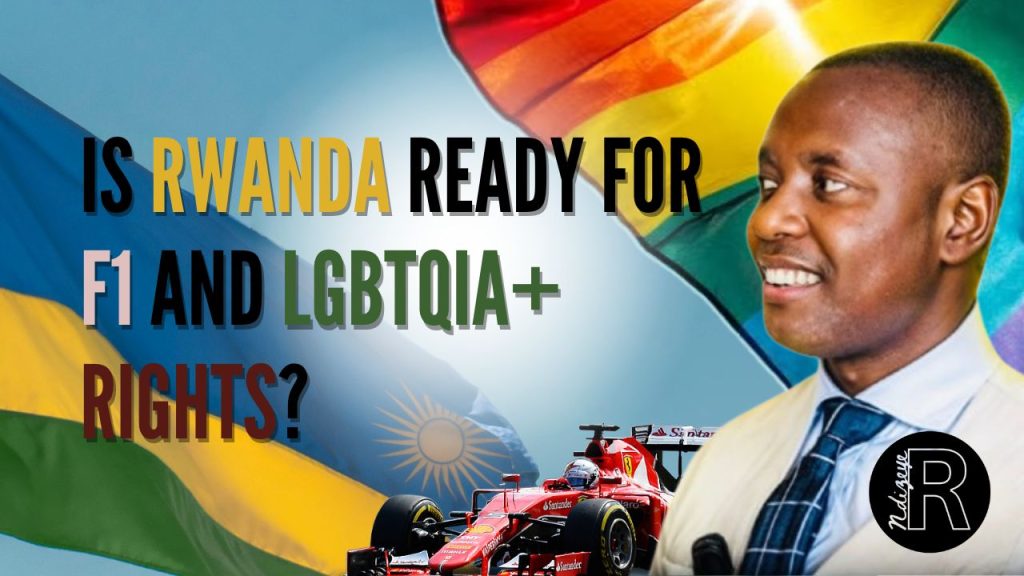
As the country prepares for this monumental event, one pressing question arises: if Rwanda is ready for F1, could it also embrace LGBTQIA+ rights?
The push to bring F1 to Rwanda is part of a larger strategy to boost the nation’s global image through sports. Rwanda’s investments in international sponsorships and its bid to host major events like the F1 Grand Prix show a clear desire to be seen as a progressive and influential player.
But global recognition, especially through a high-profile event like F1, invites a deeper reflection on the nation’s approach to human rights.
While Rwanda has made strides in areas such as gender equality and technology, its stance on LGBTQIA+ rights has remained relatively conservative.
Hosting F1 could provide the country with an opportunity to showcase not just its economic potential but also its commitment to inclusivity and equality.
The global attention that F1 would bring could act as a catalyst for change, encouraging Rwanda to take a bolder stance on LGBTQIA+ rights, further aligning itself with global values of diversity and inclusion.
Imagine Rwanda as a leader not only in sports and economic growth but also in human rights. By embracing LGBTQIA+ rights, it could solidify its position as a forward-thinking nation, ready to champion the rights of all its citizens.
The question then becomes: can Rwanda rise to the occasion and make inclusivity a core part of its narrative? If it can host F1, why can’t it also lead the charge for LGBTQIA+ rights in Africa?
The eyes of the world are on Rwanda. Hosting F1 would be a massive achievement, but the true test of progress will be how it handles the more complex issues of equality and human rights.
As Rwanda moves forward with its F1 plans, one must ask: will it be ready to lead in all aspects of inclusivity?
Watch this empowering Conversation Between Rugare and I as we delve on this matter.
If Rwanda can embrace both global sports and human rights, it could inspire a shift in Africa’s stance on LGBTQIA+ equality.
The race isn’t just on the track; it’s about shaping a legacy that reflects a truly inclusive future.
What kind of legacy will Rwanda choose to leave?
Please subscribe to my YouTube Channel and Help me Grow.